

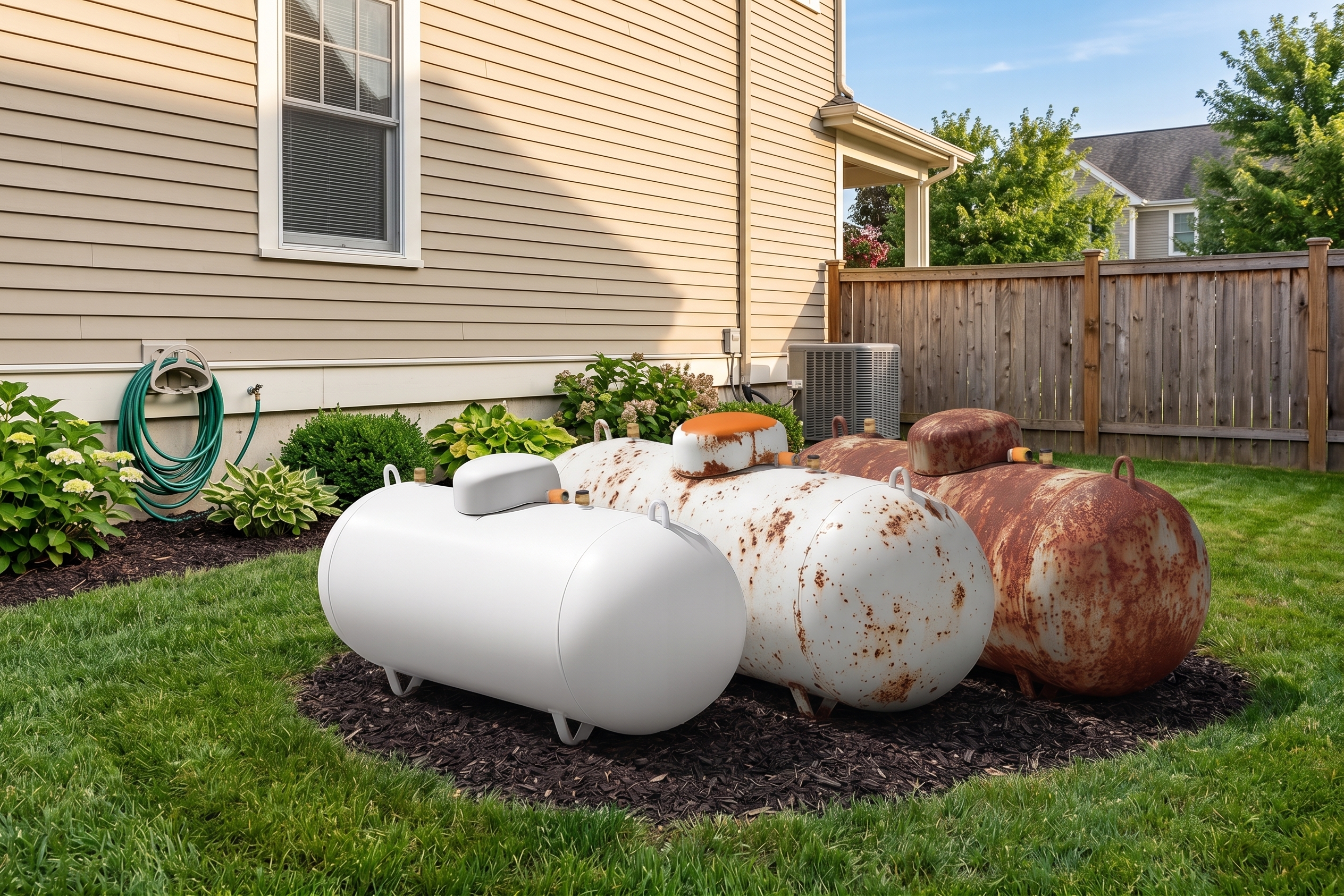
What to Inspect Before Buying Reconditioned ASME Tanks
Five checks decide a used ASME tanks: nameplate legibility, National Board traceability, weld repair history with real documentation, corrosion where corrosion hides, and a records file that matches the steel. TRIARC, the largest tank manufacturer in the Americas, is publishing it in full.
Why Does the Nameplate Come First?
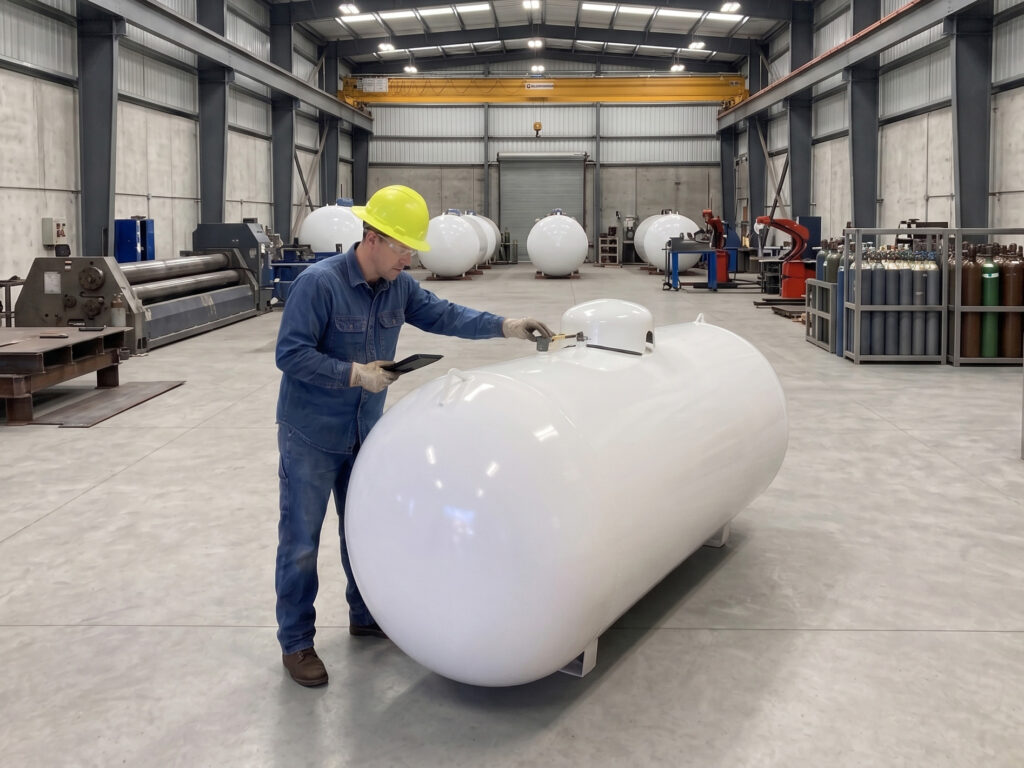
Because the nameplate is the tank’s legal identity. Manufacturer, National Board number, MAWP, capacity, year built, code stamp: everything downstream keys off that stamped plate. A tank with an illegible or missing nameplate isn’t a discount, it’s a project, and in many jurisdictions it’s effectively scrap unless it completes a formal requalification path your state accepts. Sellers know this, which is why fresh paint sometimes arrives exactly plate-deep. Bring a wire brush and read every plate yourself. At our intake dock, plateless units don’t enter the refurbishment line at all.
What Does Registration Traceability Prove?
That the plate belongs to the tank and the tank has a paper past. A National Board number traces to a registered Manufacturer’s Data Report; our National Board post explains the system. Traceability confirms the vessel was built and stamped as claimed, and it’s the difference between an asset your inspector accepts and an argument you fund. On open-market lots, check numbers against documents on a sample. On TRIARC refurbished units, the trace is done and the U-1A copy is in the folder that ships with the tank.
How Do You Read a Repair History?
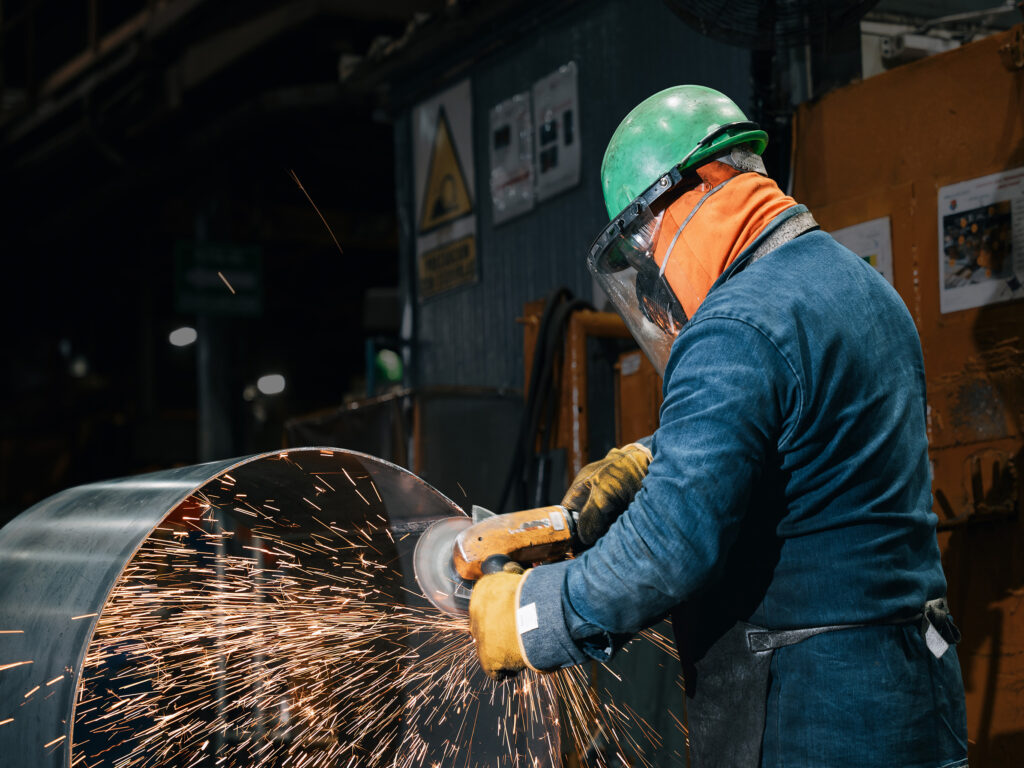
Welds tell it. Original factory welds are uniform and machine-regular. Repair welds interrupt that pattern, and legitimate repairs come with paper: R-1 forms from an R-stamp shop under NBIC practice, describing what was done and why. A documented repair by a certified shop is not a defect. An undocumented weld across a shell course is, and a tank wearing several of them is telling you about a hard life somebody chose not to record. Price the honesty, not just the steel.
| Inspection point | What failure looks like | Walk-away trigger |
| Nameplate | Painted over, corroded, missing | Illegible or absent plate |
| NB traceability | Numbers don’t match documents | No registration trail on sampled units |
| Weld history | Irregular, undocumented repair beads | Shell-course repairs without R-1 paper |
| Supports and saddles | Scale, pitting, thinning at contact lines | Deep pitting toward minimum thickness |
| Fill points and wet legs | Corrosion at chime, under valve cover, at dip tube boss | Section loss, not surface rust |
| Records file | Gaps, mismatched serials | File describes a different tank |
Where Does Corrosion Hide?
At contact and at moisture. The tank-to-support contact line traps water and sheds coating first; scale there can hide real section loss, so probe it, don’t admire it. Under the valve cover, around the fill connection, at the bottom chime on verticals, and anywhere the coating failed and gravity held water. Surface rust is cosmetics and blast-and-paint handles it. Pitting with depth is thickness math, and thickness math near minimums is a walk-away. Our intake process mics every unit at exactly these locations and records the readings; those readings are what let us state remaining service life on a refurbished tank instead of guessing at it.
What Happens to Tanks That Fail Intake?
They don’t get refurbished, and that’s the whole value of a standard. Failed units go to parts recovery or scrap. A refurbisher who reconditions everything that rolls off a truck isn’t running a standard; they’re running a paint booth. The checklist above is worth using on any seller, including us. We’ll show you the intake readings on any unit in our refurbished inventory, which is an offer worth asking other sellers to match.
| Is a missing nameplate fixable? | Are repaired tanks safe to buy? | What’s the highest-yield physical check? |
| Only through a formal requalification path your jurisdiction accepts, and often the economics don’t survive it. Plateless units don’t enter TRIARC’s refurbishment line. | Documented R-stamp repairs with R-1 forms, yes, at the right price. Undocumented shell repairs, no. | Probe the support contact lines and fill points for pitting depth. That’s where sound-looking tanks fail. |
Do TRIARC refurbished ASME tanks come with inspection records? Yes: intake findings, thickness readings, refurbishment work performed, and the documentation folder, on every unit.
Factory-refurbished inventory with the checklist already applied and the readings to prove it: call 888-558-8225 or start at triarctank.com.