

LPG and the Energy Transition: Why Propane Demand Is Growing, Not Shrinking
A marketer weighing storage capital deserves a straight answer to the uncomfortable question: does propane have a future worth putting steel into? The structural evidence says yes. Propane’s demand base sits in markets the energy transition reaches last, its molecule is gaining renewable drop-in substitutes rather than losing to them, and the export market keeps pulling. TRIARC Tank, the largest tank manufacturer in the Americas, builds the storage that demand runs on, so we watch this closely.
Where Does LPG Sit in a Decarbonizing Market?
Somewhere in the practical middle, which turns out to be a reasonable place to be. Propane burns cleaner than the coal, wood, kerosene, and fuel oil it typically displaces. It stores indefinitely without pipelines or fuel-polishing programs. And for big seasonal loads, it delivers energy density that batteries can’t yet match.
Domestic vs. Bulk LPG Storage Tanks: Which TRIARC Tank Is Right for You?
None of that exempts propane from long-run decarbonization pressure, it’s still a fossil fuel. But the question that matters for capital planning is sequencing, and propane keeps landing in the “later, and with renewable substitutes” category. That’s a very different investment picture from managed decline.
| Demand segment | Direction | Storage implication |
| Rural and off-grid energy | Durable | Set-tank programs and plant storage keep earning |
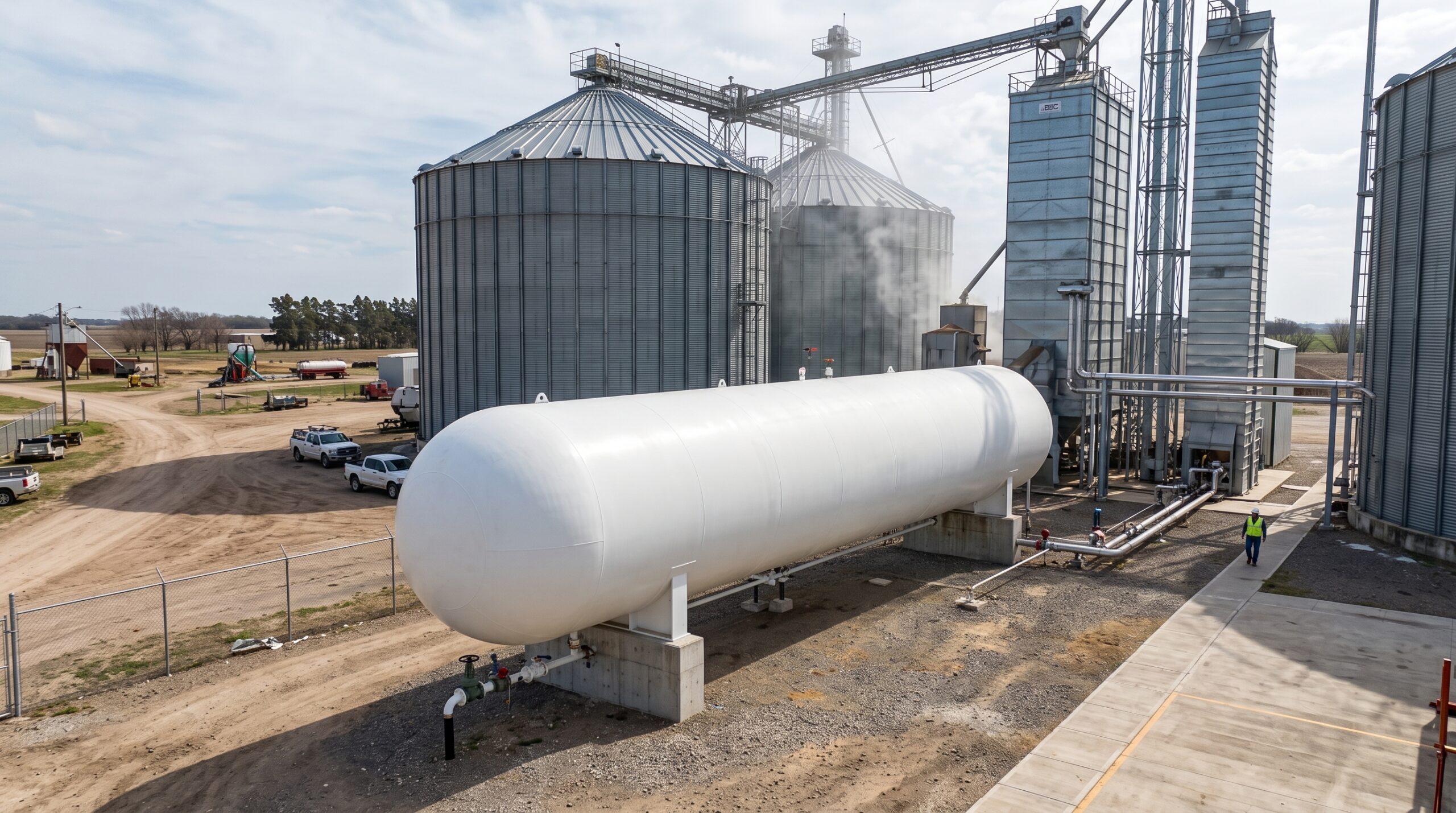
| Agricultural (drying, heating, irrigation) | Structural | Bulk capacity sized to peak harvest draws |
| Renewable propane / rDME blending | Growing | Same ASME tanks; no stranded-asset discount |
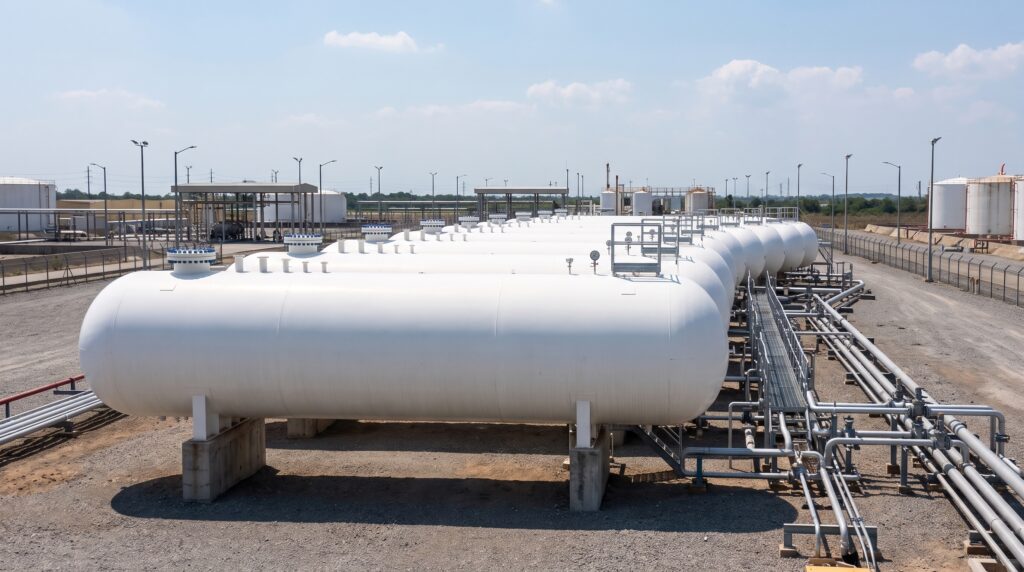
| NGL exports | Expanding | Terminal-class vessels and storage batteries |
| Autogas and standby power | Growing niches | Dispenser and backup-fuel storage |
Why Do Rural and Off-Grid Markets Anchor Demand?
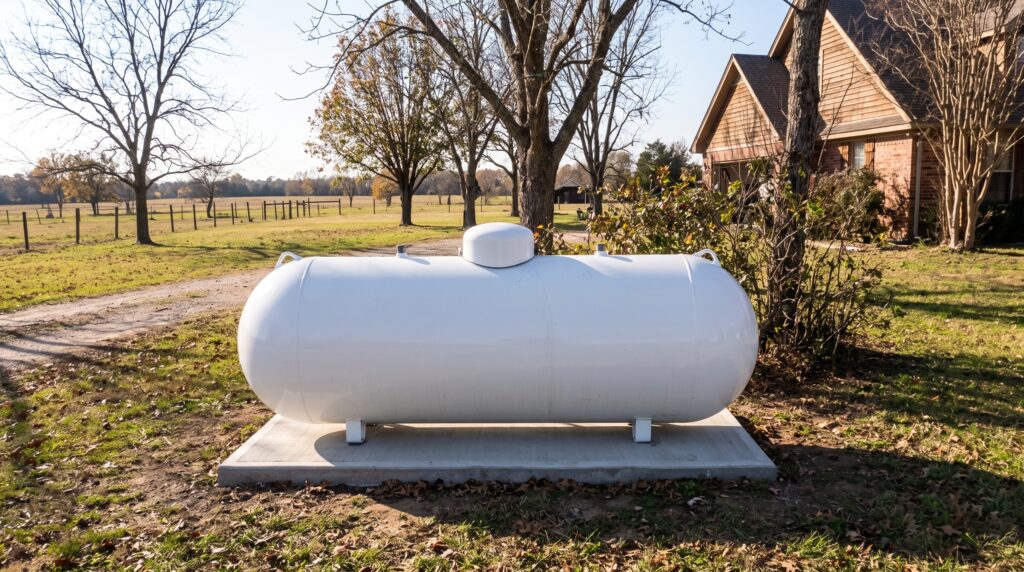
Because the alternatives there aren’t wind farms; they’re wood and kerosene. Across rural North America, and across the Latin American markets TATSA has served since 1955, propane is the clean option that’s actually available past the end of the pipeline network. The International Energy Agency has been making this point about household air pollution for years, and investment keeps following it.
Electrification will keep spreading outward from the grid. The economics of the last rural mile just move slowly, and propane holds that mile for as long a planning horizon as any tank buyer works on.
What Makes Agricultural Demand Structural?
Grain drying is the clearest example. It’s a huge heat load, it’s time-critical, it happens where gas lines don’t go, and the weather sets the schedule. At field scale, electric alternatives aren’t practical at those draw rates, that’s geography and physics talking, not habit. Livestock heating and irrigation pumping follow the same pattern.
A marketer serving ag territory isn’t betting on a trend. The load is anchored to where and how food gets grown, which is why ag-heavy books keep justifying bulk storage expansion even in cautious capital years.
Do Renewable Propane and rDME Change the Storage Investment?
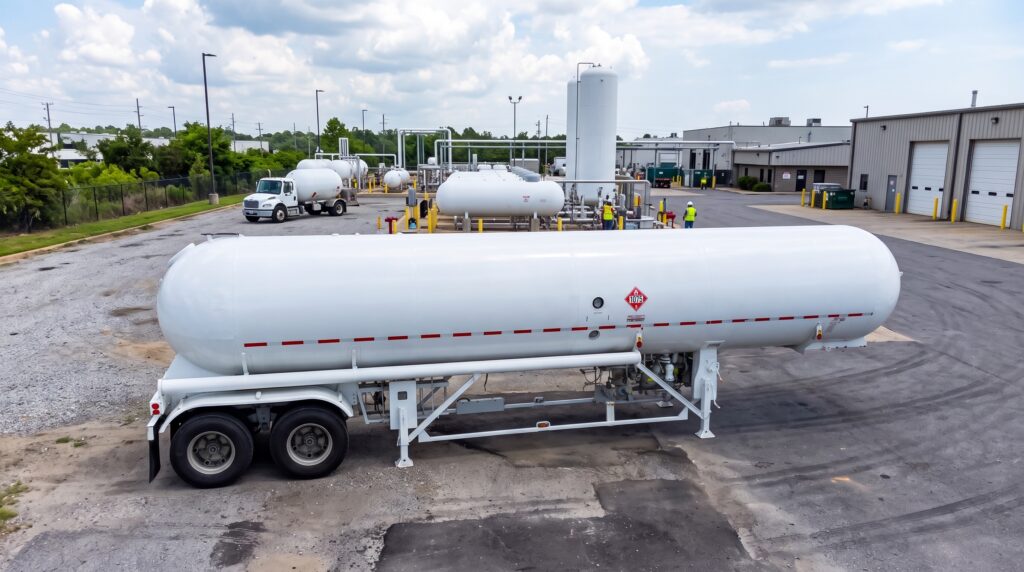
If anything, they protect it. Renewable propane, produced today mainly as a co-product of renewable diesel and sustainable aviation fuel, is chemically the same molecule arriving by a lower-carbon pathway. rDME blends with conventional LPG within established limits. Both run through existing ASME Section VIII, Div. 1 & 2 storage without modification.
For anyone writing a tank check, that compatibility is the quiet headline. The vessel bought today carries whatever propane becomes, and the stranded-asset argument that hangs over other fossil infrastructure mostly doesn’t reach this one.
What Is the Export Market Doing to the Picture?
It’s pulling hard, and from the top of the supply chain. U.S. NGL export capacity has expanded for years, with Gulf Coast terminals shipping propane and butane to Asia, Latin America, and Europe, and every increment of that trade needs terminal-class storage behind it.
For domestic marketers, exports cut two ways. They support the upstream production that keeps supply deep, and they compete for molecules in tight winters, which is itself an argument for owning more storage rather than less. Either way, capacity ordered ahead of need beats capacity chased during it.
FAQ
Is propane demand actually growing? Its core segments run from durable to growing, rural energy, agriculture, exports, autogas, standby power, with renewable propane extending the runway.
Will renewable propane require new tanks? No. Renewable propane and rDME blends run through existing ASME Section VIII, Div. 1 & 2 storage, which protects today’s capital.
What’s the strongest single argument for storage investment now? Compatibility. The same vessel serves conventional and renewable supply for its whole service life.
Does the export boom help or hurt marketers? Both, deeper supply over the long run, tighter molecules in peak winters, and either way a case for owning capacity.
Storage capacity sized to where your book is going: call 888-558-8529 or start at triarctank.com.