

Truck Barrel Specification and Replacement Cycles for Propane Marketers
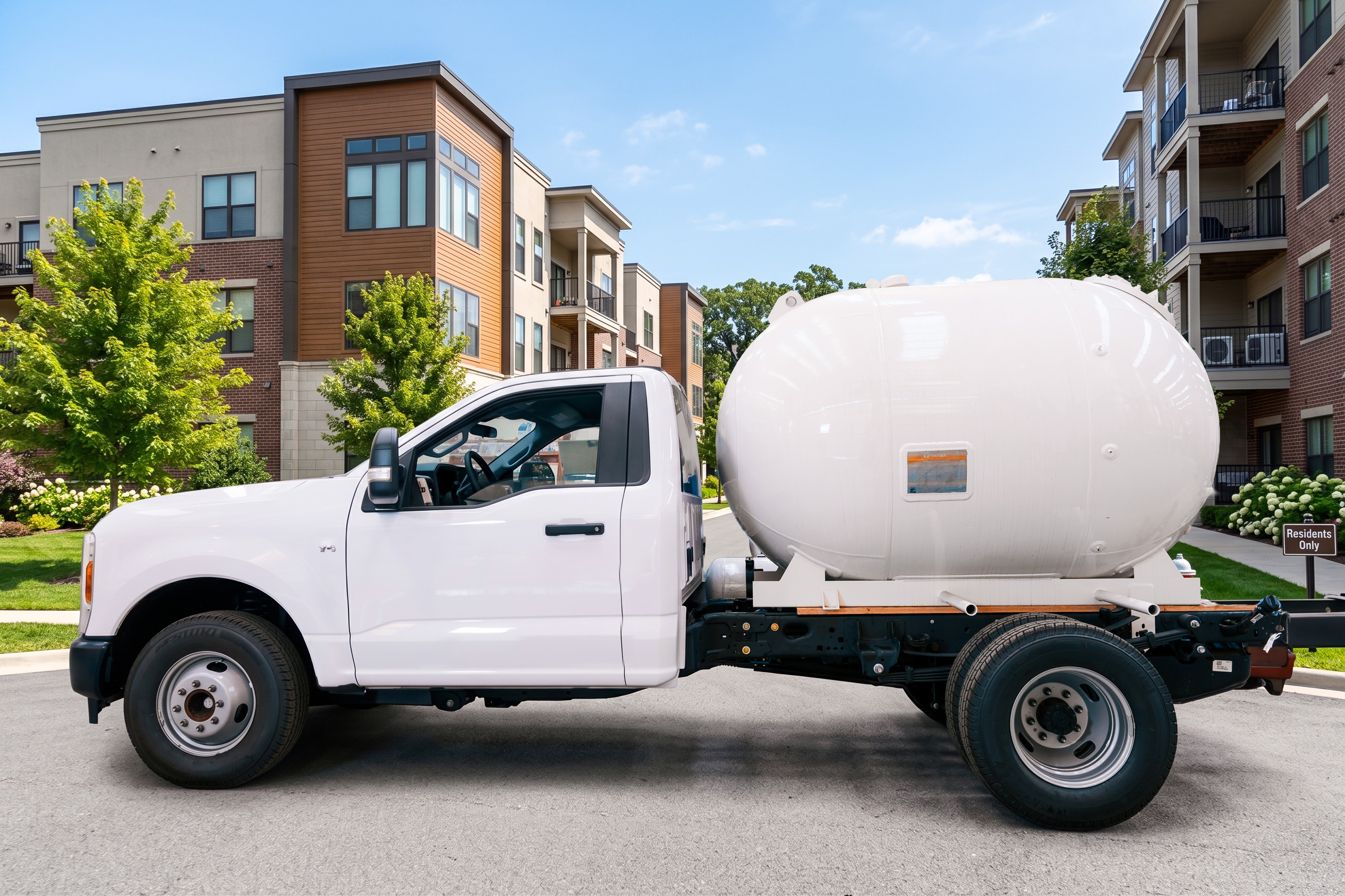
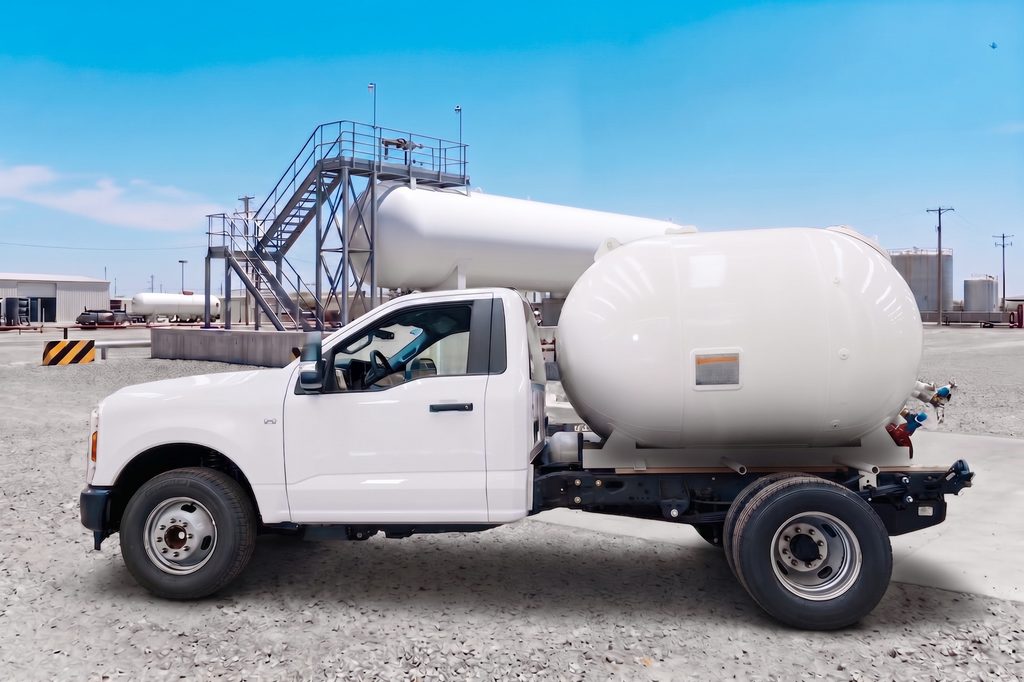
A truck barrel is specified on three axes: capacity matched to route density, High Quality construction and a test history clean enough to support remounting on the next chassis. TRIARC Tank, the largest tank manufacturer in the Americas, builds truck barrels alongside its MC331 transport semi-trailer line.
What Capacity Fits the Route?
Gallons per stop times stops per day, with a margin for the cold snap. A dense residential-account route running 40 drops of 100 gallons wants a different barrel than a rural commercial route running 12 drops of 400. Common propane barrels run from roughly 2,600 to 5,000 gallons water capacity, and the right answer is the one that gets the truck home near empty most days without midday reloads. An oversized barrel hauls dead weight and eats fuel and axle margin. An undersized one sends a paid driver back to the loading rack at 2 p.m.
Weight closes the argument. Barrel, product at maximum permitted fill, chassis, pump, and hose reel have to land under axle and gross limits with room for real-world loading. Spec the barrel against the chassis it will actually ride, not against a brochure.
What Test Cycles Govern a Barrel in Service?
Federal requalification under 49 CFR 180.407, performed by an R-stamp or registered cargo-tank facility. The working set:
| Test | Code | Typical interval |
| External visual inspection | V | Annual |
| Leakage test | K | Annual |
| Pressure test | P | 5-year cycle |
| Internal visual (where required by service/construction) | I | Per 180.407 applicability |
| Upper coupler inspection | UC | Transport trailers (see Post 40) |
Dedicated propane service carries specific provisions within Part 180, and your requalification shop will apply the current tables. The marketer’s job is simpler: keep the test dates ahead of the calendar and the records where you can produce them. A barrel with a gap in its test history is a barrel you can’t legally load, and set season is a bad time to learn that.
Remount or Replace: Where’s the Line?
A sound barrel outlives two or three chassis, which is why remounting is standard economics. Remount when the barrel passes its P-test clean, the shell and heads carry no repair history that worries your inspector, corrosion at the supports is surface-level, and the valve train is either current or worth replacing during the swap.
Replace when thickness readings are trending toward minimums, when repair welds are accumulating, or when the capacity no longer fits routes that have densified around it. Marketers sometimes remount a barrel that’s the wrong size for the territory because the steel is sound. The steel being sound doesn’t make the route math work. Buy the barrel the routes need and let the old one go to a territory it still fits.
| What’s the standard design pressure for a propane truck barrel? | How often is a pressure test required? | Is remounting worth it? | Does TRIARC build transports too? |
| 265 psig on MC331 propane cargo tanks, built to 49 CFR 178.337. | The P-test runs on a 5-year cycle under 49 CFR 180.407, with visual and leakage tests annually. Your requalification facility applies the current propane-service provisions. | Usually, on a clean-testing barrel of the right capacity. The swap is also the cheapest moment to renew the valve train and coatings. | Yes. MC331 transport semi-trailers are a standing product line.Truck barrel quotes matched to your routes and chassis: |