

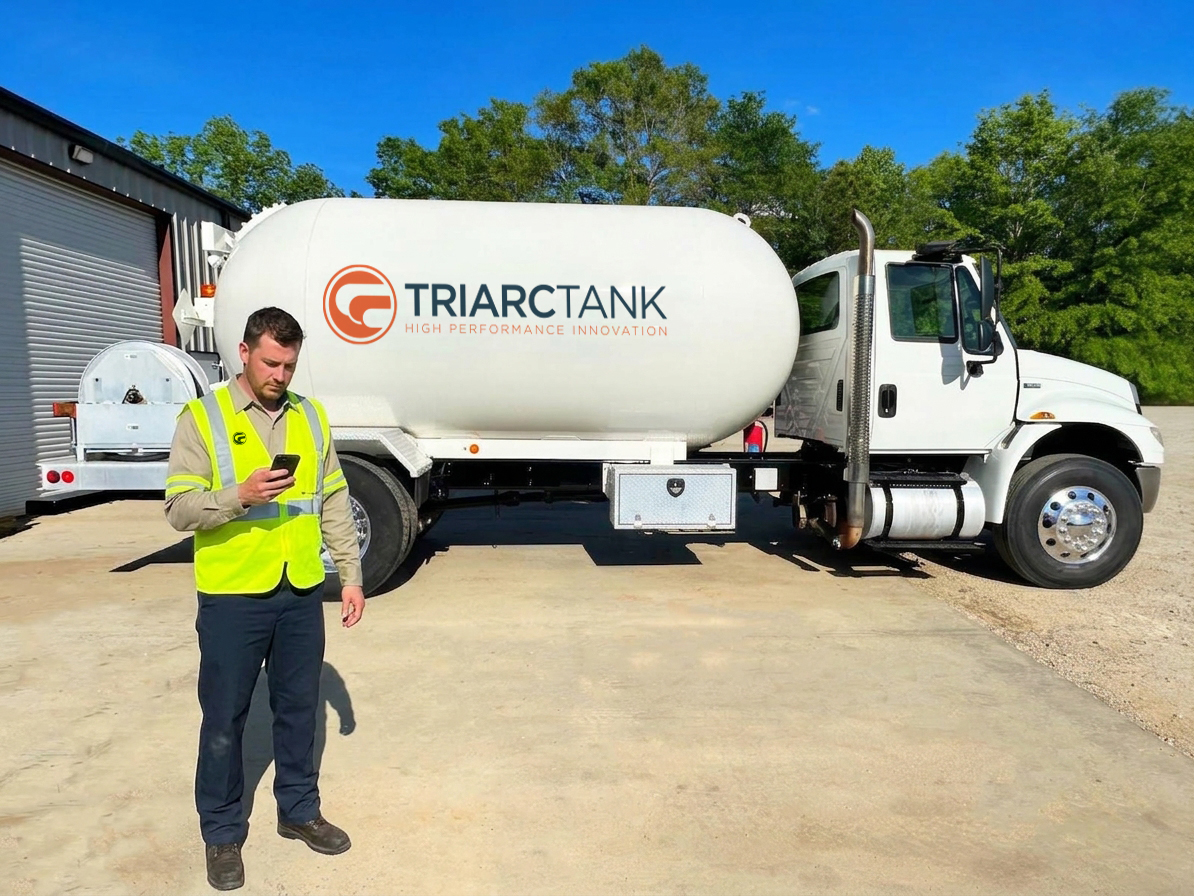
Waiting for Lower Prices for Tanks? What the Steel Demand Picture Actually Says
Every marketer sitting on an open tank PO right now is making the same quiet bet: steel comes back down soon, and patience gets paid. It’s worth saying out loud what the other side of that bet looks like, because the demand picture, the supply picture, and the talk inside the steel industry all lean the same direction. TRIARC Tank, the largest tank manufacturer in the Americas, watches this market for a living, and we’d rather you decide with the full picture than with hope.
What’s the Actual Bet When You Wait?
That the index retreats faster than your need arrives. The CRU Midwest hot-rolled coil index is up roughly a third this year , and this year’s climb has been supply-constrained, driven by trade restrictions on steel, rather than a demand spike that burns itself out. Waiting through a demand spike can work. Waiting through a policy-driven supply constraint means betting on a policy change, on a timeline that fits your set season. That’s not a hedge. That’s a hope with a deadline.
Where Is Steel Demand Coming From?
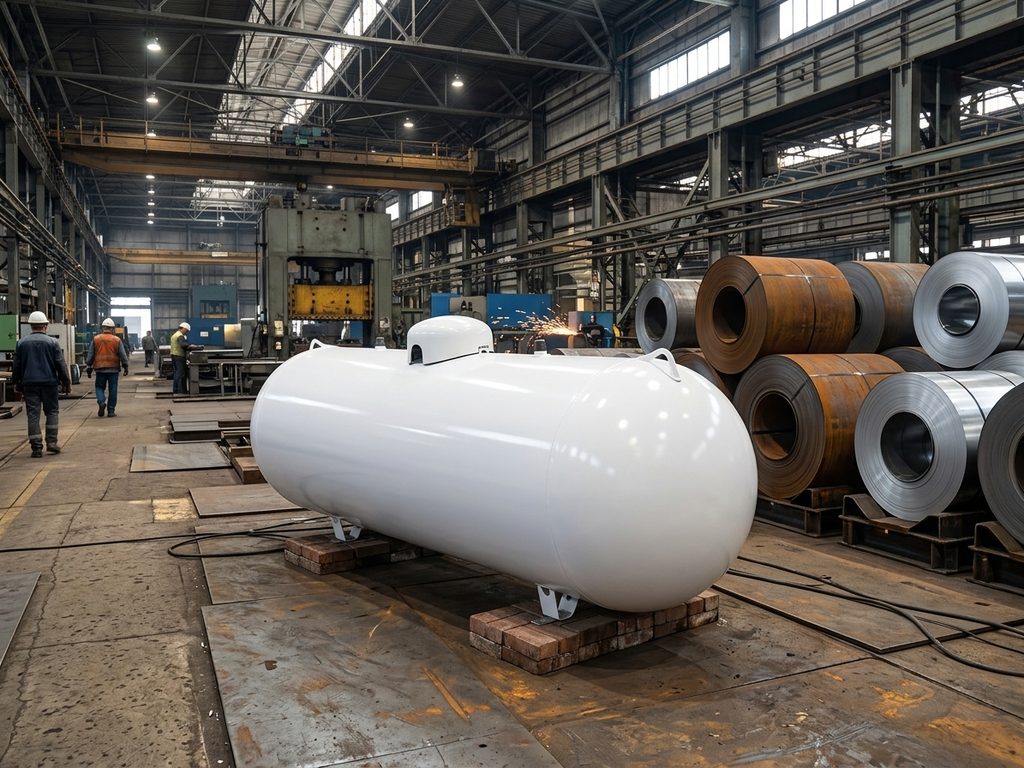
From sectors that don’t look like slowing down.
| Sector | Direction | What it means for plate buyers |
| Automotive | Strong Steady | High-volume mill commitments |
| Infrastructure construction | Strong | Multi-year public spending pulling structural steel |
| Data center construction | Strong and accelerating a decade ago | A steel-hungry buildout that barely existed |
| Appliances | Soft some offset | Lower-volume relief |
| Residential homebuilding | Soft | Not enough to flip the balance |
The soft sectors are real, and they’re the reason prices grind rather than spike. But the strong sectors are the ones mills schedule around, and a mill choosing between a multi-year automotive contract and a spot buyer doesn’t deliberate long. Net demand firm plus supply constrained is not the setup that hands patient buyers a discount.
What’s the Allocation Whisper, and Why Should Vessel Buyers Care?
The worst-case scenario being discussed in steel circles is allocation: mills formally rationing output by customer and by grade instead of by price alone. It hasn’t happened broadly, and it may not. But the early behavior is already visible, with mills pushing out lower-margin grades and lower-priority customers to protect their best commitments. Here’s why that lands on this industry specifically: pressure vessel plate is a specialty product, ordered to tighter chemistry and testing than commodity coil, and specialty grades in smaller volumes are exactly what gets squeezed when mills simplify their books. In an allocation world, the question stops being what a tank costs and starts being when you can get one. Manufacturers with scale, diversified supply, and long mill relationships fare better in that world than spot buyers do .
What Happened to Buyers Who Waited This Year?
They bought the same tanks later for more. A marketer who parked a PO in January against a $900 index is now quoting against $1,200, and the “savings” of waiting turned into roughly a season of price increases plus a delivery slot further back in the line. Propane Insider made the same point bluntly this month: a stale quote in the folder isn’t a hedge, it’s a stale number, and the banker sizing your note deserves the live one. Nothing about the current picture suggests the next six months rewrite that story in the waiter’s favor.
What’s the Smarter Play Than Waiting?
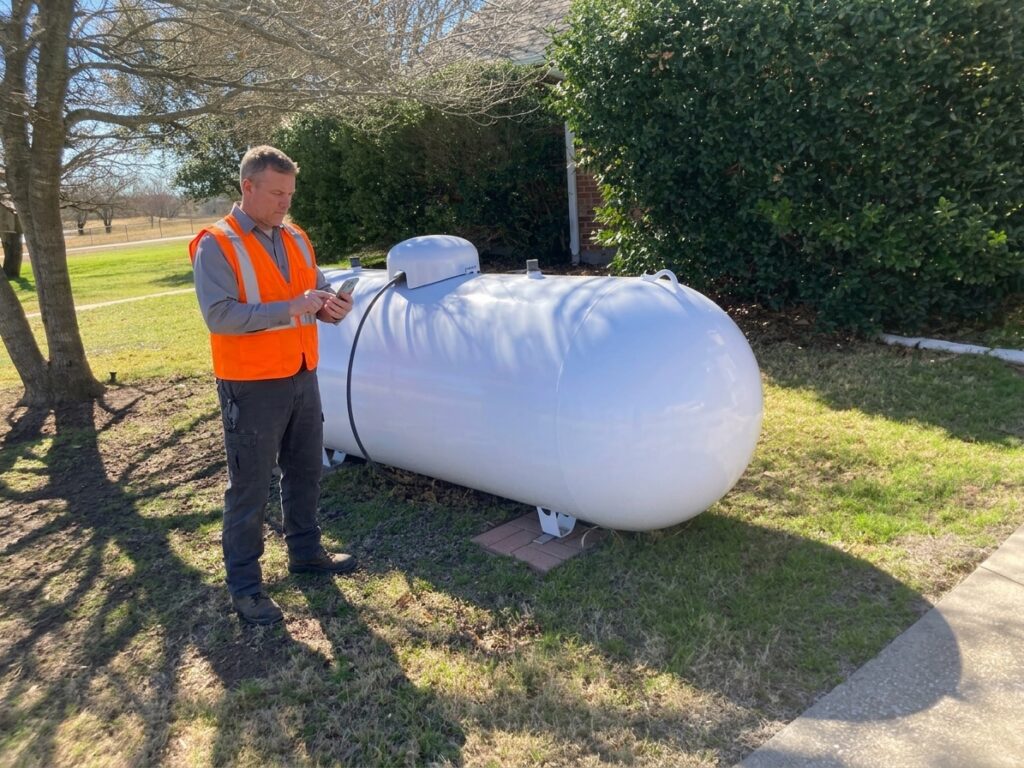
Buy on need, and structure the buy. Order what the season’s math already justifies and order it early enough to hold a delivery week. Push for quote validity and capped escalation so the steel risk between order and shipment sits where it belongs . Waiting is a strategy only if something specific is about to change.
Will tank prices come down soon? The honest answer: the current increase is supply-constrained with firm demand behind it, and nothing visible suggests near-term relief. Plan against today’s numbers. | What is a mill allocation model? Rationing steel by customer and grade rather than price alone. It’s a discussed worst case, and mills are already shedding lower-margin grades, which touches specialty vessel plate first. | Does soft homebuilding help tank buyers? A little, at the margin. Automotive, infrastructure, and data centers are more than absorbing the slack. |